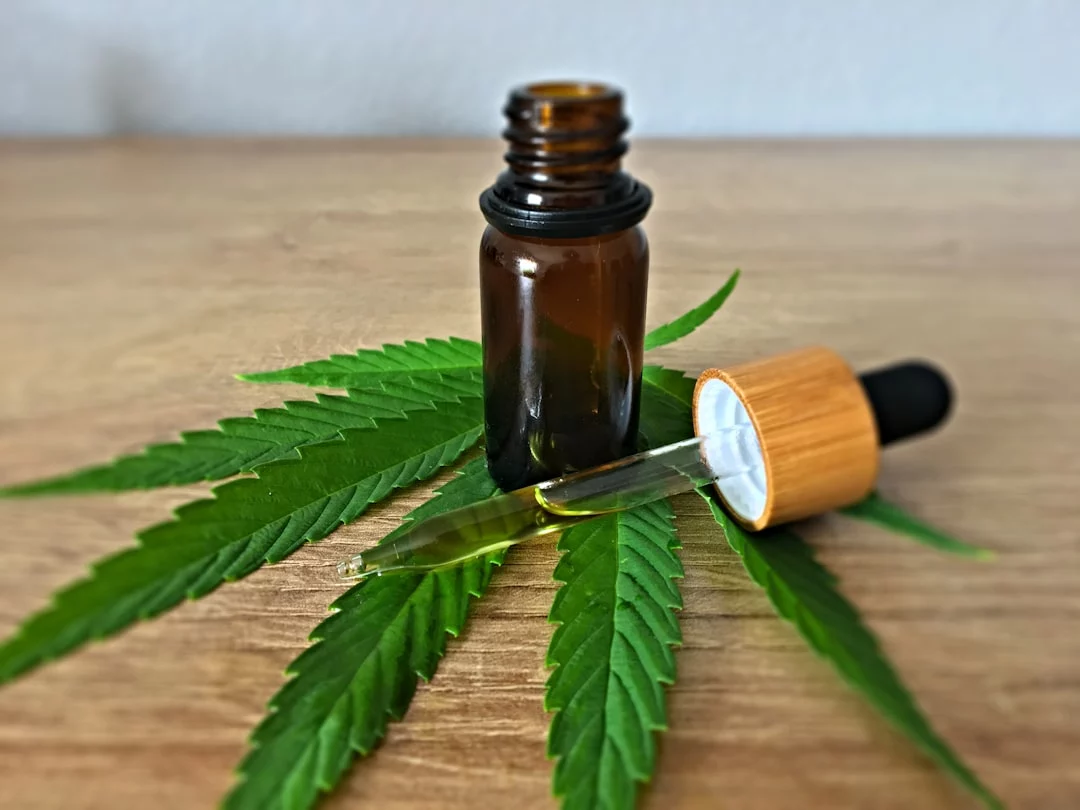
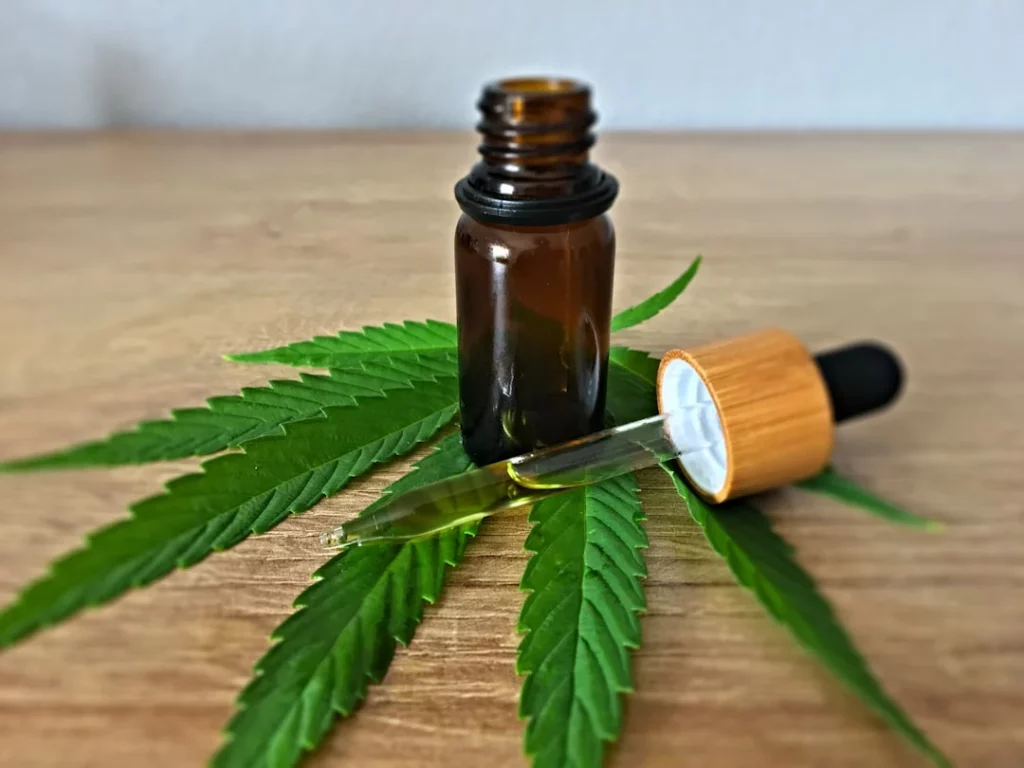
CBD isolate is often described as the “pure” form of cannabidiol. In practice, it means CBD that has been isolated as a single substance, rather than a hemp extract that naturally contains multiple cannabinoids. That sounds simple—but in Switzerland, what matters just as much as the ingredient is the product category (food, cosmetic, e-liquid, etc.) and how it is presented to consumers. This guide explains what is CBD isolate, how it compares to other extracts, and the key compliance points to understand before buying or selling CBD isolate products in Switzerland.
What is CBD isolate?
What is CBD isolate? It is cannabidiol (CBD) isolated as a substance—meaning it is separated from other components that may be present in the hemp plant. This is different from a hemp extract, which typically contains a broader mix of compounds (including other cannabinoids).
Because it is an “isolated” ingredient, CBD isolate is often discussed in the context of formulations where brands want a more controlled composition. However, “isolate” does not automatically answer every compliance question. In Switzerland, legality and permitted marketing depend on the final product’s classification and presentation—not only on whether the CBD comes from isolate or extract.
If you want a broader introduction to CBD terminology, you can also read what CBD is and how it’s generally defined.
CBD isolate vs full spectrum (and broad spectrum): the practical differences
Consumers often compare CBD isolate vs full spectrum when choosing a product. The key distinction is compositional:
- CBD isolate: CBD as an isolated substance (single cannabinoid focus).
- Full spectrum: a hemp extract that contains multiple cannabinoids (and other plant compounds), rather than only CBD.
- Broad spectrum: generally used to describe an extract that contains multiple cannabinoids but is marketed as having no THC (exact composition depends on the product and testing).
In Switzerland, this comparison is often linked to THC questions. But it’s important not to assume composition without evidence: “isolate” does not automatically guarantee a specific THC level unless confirmed by appropriate analysis and documentation.
For a deeper explanation of extract types, see differences between full spectrum and broad spectrum.
THC-free CBD isolate in Switzerland: what “THC-free” can (and can’t) mean
Many people search for THC-free CBD isolate Switzerland. From a compliance perspective, two points matter:
- Swiss THC threshold: In Switzerland, cannabis and cannabis preparations with a total THC content below 1.0% are not considered narcotics under the relevant Swiss framework (as reflected in official execution guidance).
- “THC-free” is a claim: Saying “0% THC” is not something that can be assumed from the word “isolate.” It is a statement that should be supported by appropriate testing and quality documentation.
Even when a product is below the Swiss THC threshold, that does not automatically mean it can be used in any product type or marketed without restrictions. Swiss compliance depends heavily on the product’s legal classification (for example: food, cosmetic, e-liquid, or something presented as medical).
Is CBD isolate legal in Switzerland? The short answer: it depends on the product category
People often ask: is CBD isolate legal in Switzerland? The most accurate answer is that legality is not determined by CBD alone. In Switzerland, the same ingredient can fall under different rules depending on how the final product is categorized and presented.
A central compliance principle is that CBD not being classified as a narcotic (when THC is below the Swiss threshold) does not mean it can be freely added to any product or promoted without limits. Authorities focus on product delimitation: food vs cosmetic vs therapeutic product vs consumer item, etc.
Marketing rule: don’t present CBD isolate products as medical
In Switzerland, any product presented as intended for medical use is considered a medicinal product and must be authorized by Swissmedic before being placed on the market. This is why CBD isolate products must not be marketed with medical intent unless they have the required authorization.
Practically, this means avoiding claims that imply prevention, treatment, or cure of diseases. It also means being careful with wording that suggests a medical purpose, because presentation can influence classification.
Advertising restrictions: why claims matter as much as ingredients
Advertising for medicinal products is regulated, and in practice, a CBD product should not be promoted as a medicine if it is not authorized. For brands and retailers, this is one of the most common compliance pitfalls: the ingredient may be permitted in certain contexts, but the claims can reclassify the product into a category that requires authorization.
CBD isolate in food supplements in Switzerland: the “novel food” issue
One of the most sensitive topics is CBD isolate in food supplements Switzerland. In Switzerland, cannabinoids (including CBD) and hemp extracts containing cannabinoids are considered novel foods because significant consumption before 15 May 1997 has not been demonstrated. As a result, they can only be placed on the market as foods or supplements with an authorization from the competent authority (for Switzerland, the FSVO; or the European Commission, depending on the case).
Practical consequence: adding CBD isolate to a food or supplement is, by default, subject to the novel food authorization regime. Without such authorization, placing the product on the market is not compliant.
This is why you may see CBD products positioned in other categories (for example, cosmetics or consumer items) rather than as ingestible supplements—because the legal pathway is different.
CBD isolate uses: what can be said safely (and what should be avoided)
Searches for CBD isolate uses often focus on personal goals. From a Swiss compliance and consumer-information standpoint, it’s important to keep the discussion neutral and non-medical.
CBD isolate is used as an ingredient in different product types, but what is permitted depends on the applicable rules for that category and on how the product is presented. Common contexts where CBD may appear include:
- Cosmetics (topical products), where compliance depends on safety and labeling requirements and on correct product qualification.
- E-liquids / vaping products, which fall under the framework applicable to e-cigarettes and consumer items, with their own safety and labeling expectations.
- Oils, which can be classified differently depending on intended use and presentation (for example, cosmetic vs food vs another category).
What should be avoided are statements that frame CBD isolate as a solution for specific medical conditions or as a substitute for medical care. In Switzerland, such claims can trigger medicinal-product classification and require authorization.
CBD isolate dosage: why general “dosage advice” is not appropriate
Many users look for CBD isolate dosage. However, giving dosing instructions can easily cross into medical-style guidance, and it may also conflict with how a product is legally positioned (especially if it is not authorized as a food supplement).
A safer, compliance-focused way to think about “dosage” is:
- Follow the product’s labeling and intended-use instructions for its category.
- Do not treat CBD isolate products as medicines or self-medicate based on online dosing charts.
- Be cautious with products that imply ingestion if no appropriate authorization exists for food/supplement placement on the Swiss market.
In other words, the right question is often not “what dose should I take?” but “what category is this product legally sold as, and what instructions are permitted for that category?”
CBD isolate side effects: a cautious, consumer-safety perspective
People also search for CBD isolate side effects. Because this topic can quickly become medical, it’s best handled carefully and generally.
From a consumer-safety and compliance standpoint, the key points are:
- Product quality, accurate labeling, and correct classification matter. Authorities emphasize the importance of meeting safety and labeling requirements.
- Do not assume an isolate is automatically “risk-free” or automatically “THC-free” without proper verification.
- If a product is marketed with medical-style promises, that is a red flag for compliance and consumer clarity—especially if it is not authorized as a medicinal product.
If you are comparing ingredient formats, you may also find it helpful to read CBD isolate explained for a focused overview of the ingredient itself.
CBD isolate legal Switzerland: how product categories change the rules
To understand CBD isolate legal Switzerland, it helps to look at how Swiss compliance works in practice: the same “format” can be classified differently depending on presentation and intended use.
CBD oils: the format doesn’t define the legal category
An “oil” can be positioned as a cosmetic, a food, a chemical product (for example, a scented oil), or a medicinal product—depending on how it is presented and used. Using CBD isolate as an ingredient does not, by itself, determine which category applies.
This is a common misconception: consumers may assume that “CBD oil” always means an ingestible supplement. In Switzerland, that is not automatically the case, and ingestible positioning can raise novel food authorization questions.
CBD flowers: not an isolate
CBD flowers are not CBD isolate. They are cannabis flowers and must respect the Swiss THC threshold (< 1.0% total THC) to avoid classification as a narcotic. Even then, they remain subject to market rules depending on how they are sold and what use is claimed (for example, as a consumer product).
Cosmetics: possible, but qualification and labeling are key
CBD can appear in cosmetics, but compliance depends on correct qualification and meeting applicable requirements such as safety and labeling. Swiss authorities provide specific information on CBD in cosmetics and refer to inter-institutional execution guidance.
For brands, the practical takeaway is that “cosmetic” is not just a marketing word—it is a legal category with expectations. Claims must remain cosmetic in nature and must not imply medical use.
E-liquids and vaping products: separate framework
CBD vaping products fall under the framework applicable to e-cigarettes and consumer items. It’s important not to assume that food rules apply to e-liquids, or vice versa. The exact requirements depend on the applicable consumer-item rules, including labeling and safety expectations referenced by the competent authorities and execution guidance.
Common compliance misconceptions (and how to avoid them)
CBD isolate is often discussed online in simplified terms. In Switzerland, simplifications can lead to non-compliant products or misleading consumer expectations. Here are the most important misconceptions to avoid:
- “CBD is legal, so it can be added to any product.” Not correct. Legality depends on the product category (food, cosmetic, medicinal product, consumer item, etc.) and official delimitation rules.
- “Isolate automatically means 0% THC, so it’s always compliant.” Not necessarily. THC content must be verified, and even at 0% THC, other rules (like novel food for foods/supplements) and marketing restrictions still apply.
- “If it’s below 1% THC, I can advertise benefits freely.” Not correct. Medical-style claims can reclassify a product as a medicinal product requiring authorization.
- “An oil is always a supplement.” Not correct. Oils can be classified in different ways depending on presentation and intended use.
When in doubt, the most compliant approach is to keep communication factual: describe the ingredient, the category, and the intended use without implying medical outcomes.
How to evaluate a CBD isolate product label (consumer checklist)
If you are shopping for CBD isolate products in Switzerland, a practical way to stay informed is to focus on clarity and category-consistent labeling. Consider the following:
- THC information: Is there a clear statement about THC content, and does the product appear positioned within the Swiss threshold (< 1.0% total THC)?
- Product category: Is it clearly presented as a cosmetic, consumer item (such as an e-liquid), or something else? Ambiguous presentation can be a warning sign.
- Claims: Are there medical-style promises or disease-related statements? Those are not appropriate for non-authorized products.
- Intended use: Does the product suggest ingestion? If so, remember the novel food authorization issue for foods and supplements containing cannabinoids such as CBD.
This checklist doesn’t replace official guidance, but it helps consumers recognize when a product’s marketing may not match Swiss compliance expectations.
What is the difference between CBD isolate, broad spectrum, and full spectrum?
CBD isolate refers to cannabidiol isolated as a single substance. Full spectrum generally refers to a hemp extract containing multiple cannabinoids. Broad spectrum is commonly used for extracts that contain multiple cannabinoids but are marketed as having no THC; the exact composition depends on the product and its testing. In Switzerland, composition claims (including “THC-free”) should be supported by appropriate verification.
Is CBD isolate legal in Switzerland if THC is 0% (or below 1%)?
In Switzerland, cannabis and cannabis preparations with total THC below 1.0% are not considered narcotics under the relevant framework. However, that does not automatically mean CBD isolate can be used in any product category or marketed freely. Compliance depends on the product’s classification (food, cosmetic, e-liquid, etc.) and on avoiding medical-style presentation unless the product is authorized as a medicinal product.
Can CBD isolate be sold as a food supplement in Switzerland?
Cannabinoids such as CBD and hemp extracts containing cannabinoids are considered “novel foods” and generally require authorization before being placed on the market as foods or supplements. As a practical consequence, a CBD isolate added to a food or supplement is, by default, subject to the novel food authorization regime; without authorization, placing it on the market is not compliant.
Which claims are not allowed for CBD isolate products in Switzerland?
Claims that suggest prevention, treatment, or cure of diseases can lead to a product being considered a medicinal product, which would require Swissmedic authorization. For non-authorized products, it is important to avoid medical-style statements and any presentation implying a medical purpose.
Is a CBD isolate oil a food, cosmetic, or medicine in Switzerland?
An oil’s legal category is not determined by the word “oil” or by the use of CBD isolate alone. Depending on presentation and intended use, an oil can be classified as a cosmetic, a food, a chemical product (for example, a scented oil), or a medicinal product. The applicable rules and permitted claims depend on that classification.
Key takeaways
CBD isolate is CBD isolated as a substance, not a multi-compound hemp extract. In Switzerland, the most important compliance points are:
- THC threshold: products must respect the Swiss framework where cannabis preparations below 1.0% total THC are not considered narcotics.
- Category matters: legality and requirements depend on whether the product is a food/supplement, cosmetic, e-liquid/consumer item, or presented as medicinal.
- Novel food: CBD in foods and supplements is generally subject to authorization as a novel food.
- No medical positioning: presenting a product as intended for medical use can trigger medicinal-product classification and require Swissmedic authorization.
When CBD isolate is discussed responsibly, the focus stays on composition, transparency, and correct product classification—rather than on promises or medical outcomes.