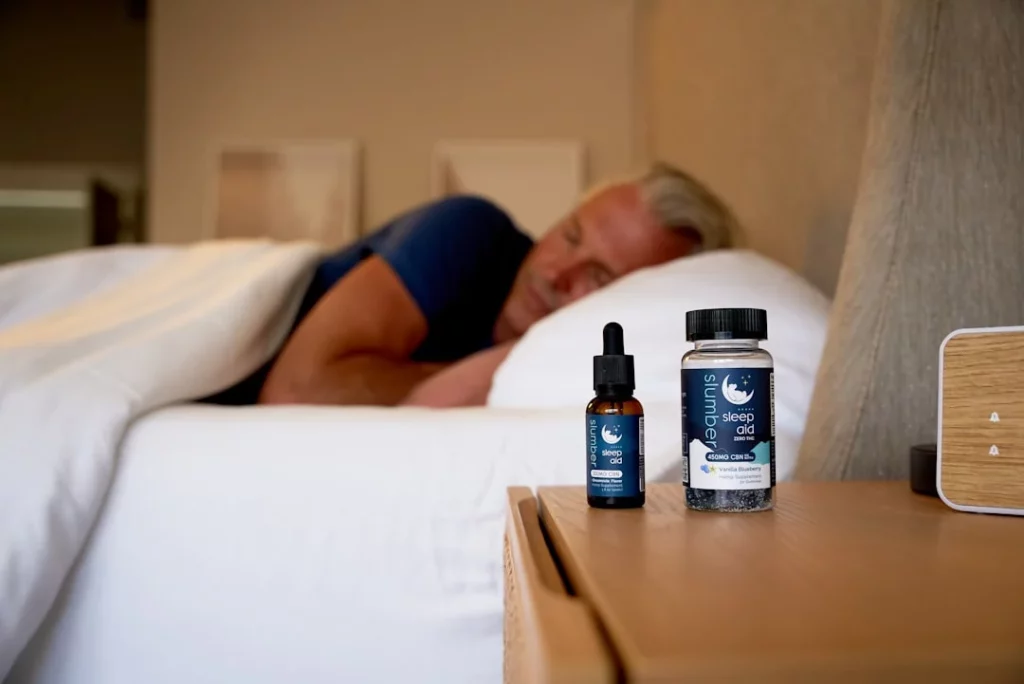
cbd sleep is a popular search topic in Switzerland, especially among people looking for calmer evenings and a more consistent bedtime routine. At the same time, it’s also an area where marketing claims can easily go too far. In Switzerland, what you can legally say about CBD depends not only on the THC level (which must be ≤ 1%), but also on the product category (food, cosmetic, tobacco substitute, etc.). This guide explains what is plausible, what remains under scientific investigation, and what is legally safe to communicate—without turning CBD into a “sleep medicine.”
CBD and sleep: what we can (and can’t) say
CBD (cannabidiol) is a cannabinoid found in hemp. Many people associate it with evening relaxation, but it’s important to separate three different things:
- User experience: some users report that CBD fits well into a calming nighttime routine.
- Mechanistic hypotheses: CBD is being studied for how it may interact with the body’s endocannabinoid system (ECS), which is involved in many regulatory processes.
- Clinically proven outcomes: claiming that CBD reliably fixes sleep problems or works as a treatment for insomnia goes beyond what can be stated in a compliant, non-medical way.
In other words, cbd sleep quality is a legitimate topic to explore educationally, but it should not be framed as a guaranteed result or as a medical solution.
How CBD may relate to sleep: a realistic explanation
When people ask “how does CBD work for sleep?”, they often expect a simple, direct mechanism. In reality, the most responsible explanation is more cautious: CBD is being studied for its interaction with the ECS, and the ECS is associated with the body’s broader balance and regulation. That makes CBD an interesting compound to research in the context of rest and nighttime routines, but it does not automatically translate into a proven sleep effect for everyone.
The endocannabinoid system (ECS) and why it matters
The ECS is often described as a regulatory network. Mechanistic discussions frequently mention that cannabinoids may interact with this system. From a consumer perspective, the key takeaway is simple: CBD’s potential relationship with rest is still an area of ongoing research, and individual responses can vary widely.
Why results can vary from person to person
Even without making medical claims, it’s reasonable to acknowledge variability. Differences may come from:
- Product composition (CBD content, trace cannabinoids, terpene profile, and THC level within the legal limit)
- Quality and consistency (reliable analyses and accurate labeling)
- Personal sensitivity and lifestyle factors (evening habits, caffeine, stress load, screen time)
This is also why sweeping statements about cbd sleep benefits evidence should be avoided in product descriptions. Educational content can discuss what is being studied, but it should not promise outcomes.
Switzerland: the legal framework you need to understand
A common misconception is: “THC under 1% means everything is automatically legal.” In Switzerland, the general principle is that hemp/cannabis with total THC < 1% does not fall under narcotics law. However, that does not mean every CBD product is automatically permitted in every form. The applicable rules depend on the product category and how it is presented to consumers.
Why product category matters more than most people think
In Switzerland, CBD products may fall into different categories, such as:
- Food or supplements (oral products)
- Cosmetics (topical products)
- Tobacco substitutes (for example, certain hemp flowers intended to be smoked)
- Potentially medicines, if presented for medical use or with medical claims
Each category has its own requirements for labeling, marketing, and what claims are allowed. This is especially important for sleep-related messaging: presenting CBD as intended to treat a medical sleep disorder can trigger compliance issues and may even risk reclassification as a medicinal product.
Therapeutic claims are not allowed for foods and similar products
For foods (including supplements), claims that suggest curing, preventing, or treating diseases are prohibited. Sleep is a sensitive area because it can quickly drift into medical territory (for example, “insomnia”). A compliant approach is to keep language non-medical and non-guaranteed, focusing on general wellbeing and avoiding disease claims.
Medicine vs non-medicine: the line you should not cross
A ready-to-use product intended for medical use—or presented as such—can be considered a medicine under Swiss therapeutic products legislation, which comes with authorization requirements. That’s why phrases implying medical use, pharmacological action, or treatment of sleep disorders are risky. For consumer education, it’s safer to discuss CBD as a wellness product category and keep expectations realistic.
CBD product types for evening routines: oil, flowers, e-liquids
People exploring cbd oil for sleep or fleurs cbd sommeil (in English: CBD flowers for sleep) often assume these products are interchangeable. They are not—both in how they are used and how they may be regulated.
CBD oils (oral products): what to know in Switzerland
Oral CBD products may fall under food law. However, CBD and cannabinoid-rich extracts can be considered “novel food” and may require authorization before being placed on the market, depending on the type of extract/product and how it is presented. Because this area can be sensitive, it’s best to avoid blanket statements like “all CBD oils are approved as supplements.”
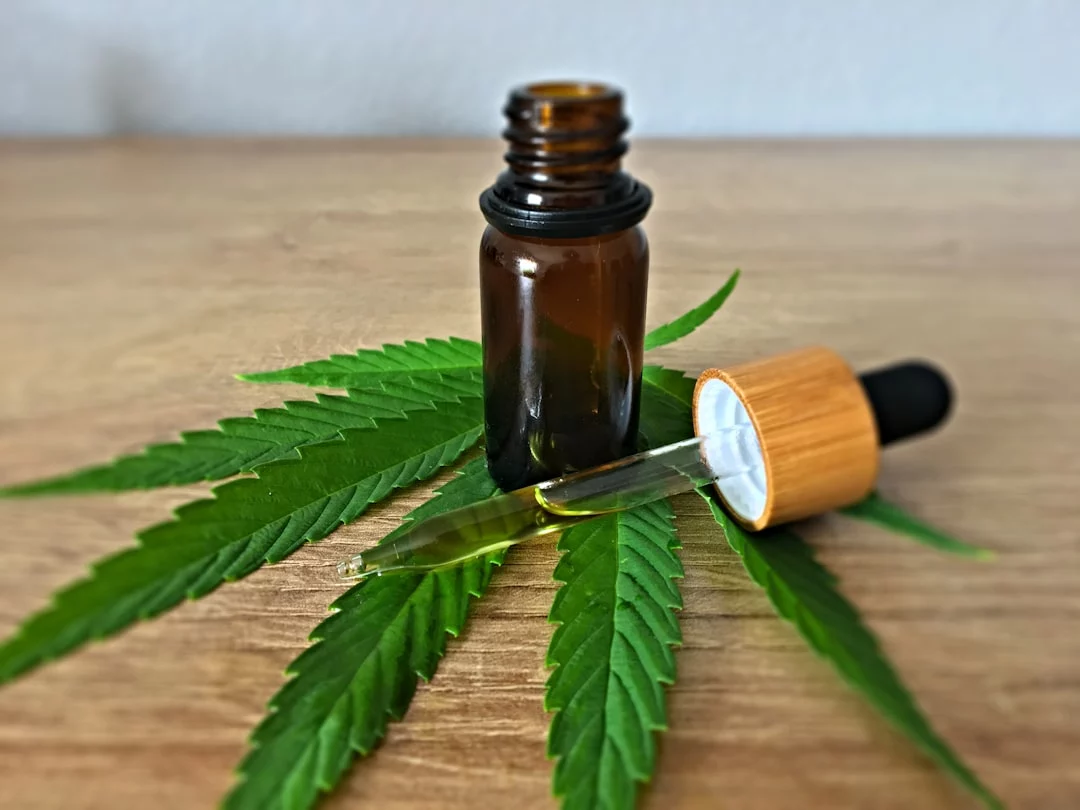
If you are browsing oils, focus on transparency: clear CBD/THC information, non-misleading labeling, and a product presentation that stays within a non-medical, wellness context. You can explore a range of options here: CBD oils for daily wellness routines.
CBD flowers (often linked to smoking): category and expectations
In Switzerland, hemp flowers with THC ≤ 1% may be considered tobacco substitutes when intended to be smoked. That means the applicable framework can resemble tobacco-related rules (which may involve specific requirements depending on the situation). This is one reason why “wellness sleep claims” around smokable flowers should be handled with extra care.
From a consumer perspective, flowers are typically chosen for aroma and cannabinoid/terpene profiles rather than for any guaranteed outcome. If you want to compare aromas and profiles, see: CBD flowers with THC ≤ 1% in Switzerland.
CBD e-liquids: classification can vary
E-liquids can raise classification questions (for example, whether they fall under e-cigarette/tobacco-related frameworks or other consumer product rules). Because the legal qualification can depend on intended use and the specific product, it’s not compliant to claim a single universal rule for all CBD e-liquids. As with other categories, sleep-related health claims should be avoided.
What wording is legally safer around “CBD and sleep” in Switzerland
Because therapeutic claims are restricted, especially for foods and supplements, the safest approach is to keep language:
- Non-medical (no disease terms, no “treatment” framing)
- Non-guaranteed (no promises of results)
- Educational (what is being studied, what users report, what remains uncertain)
Examples of cautious, compliant-style phrasing in an educational context may include:
- “CBD is being studied for its interaction with the endocannabinoid system.”
- “Some users report that CBD fits into an evening wind-down routine.”
- “Effects can vary; product quality and composition matter.”
What to avoid: any statement that CBD “treats insomnia” or guarantees sleep outcomes. Even the keyword cbd for insomnia should be handled carefully: it can be discussed as a search intent, but not used to claim that CBD is a solution for a medical condition.
Quality and composition: why they matter for sleep-related expectations
When people talk about cbd sleep, they often focus on the CBD number alone. In practice, responsible consumer education should emphasize composition and quality.
THC must be ≤ 1% in Switzerland
Swiss-compliant CBD products must respect the THC threshold (≤ 1%). This is a key legal point and also relevant for consumer expectations, because cannabinoid profiles can differ between products. Always rely on accurate labeling and quality controls rather than assumptions.
Look for clear, non-misleading labeling
Across categories, a core compliance principle is that labeling and presentation must not be misleading. For sleep-related marketing, that means avoiding implied medical use. For consumers, it also means choosing products that clearly communicate what they are (and what they are not).
Why “stronger” isn’t automatically “better”
It can be tempting to assume that a higher concentration automatically leads to a better experience. But because responses vary and because sleep outcomes cannot be promised, it’s more realistic to think in terms of finding a product format and composition that fits your personal routine—while staying within legal, non-medical expectations.
CBD for sleep dosage: how to approach the topic without medical advice
CBD for sleep dosage is one of the most searched questions, but dosage is also where content can easily become medical. In Switzerland, and in general consumer education, it’s safer to avoid prescriptive instructions or promises.
A neutral way to approach the topic is to focus on principles rather than numbers:
- Start low and go slow is a common consumer approach, but it is not a guarantee of any outcome.
- Pay attention to the product’s labeled CBD content and intended use category.
- Consistency and routine may matter more than chasing a specific “sleep effect.”
If you take medications or have a medical condition, the prudent step is to consult a qualified healthcare professional before using CBD—especially because interactions are possible.
Safety: side effects, interactions, and responsible use
Any balanced guide on cbd sleep should include safety. Even when CBD is used as a wellness product, it can come with downsides for some people, and product quality can vary.
CBD sleep side effects: what to keep in mind
CBD sleep side effects is a valid concern. Rather than listing specific effects that may not apply to everyone, the most responsible message is:
- Undesired effects are possible.
- Individual sensitivity varies.
- Product composition and quality can influence the experience.
If you notice unwanted effects, consider stopping use and seeking professional guidance.
CBD drug interactions and sleep: a key caution point
CBD drug interactions sleep is another important topic. It is prudent to assume that interactions with medications are possible. Because interaction details depend on the specific medication and individual factors, it’s not appropriate to provide a definitive list here. If you use prescription medicines, ask a healthcare professional before combining them with CBD products.
Why “natural” doesn’t mean “risk-free”
CBD comes from hemp, but “plant-based” does not automatically mean suitable for everyone. Responsible use means choosing compliant products, avoiding exaggerated claims, and treating CBD as a wellness option—not a medical tool.
CBD and melatonin: how to discuss it responsibly
CBD and melatonin is often searched because both are associated with nighttime routines. From a compliant educational standpoint, the key is not to imply that combining them will produce a specific sleep outcome. If a product contains multiple ingredients, consumers should pay attention to labeling and intended use, and avoid stacking products without understanding what they are taking—especially if they also use medications.
Practical ways to set realistic expectations for CBD and sleep
If you’re exploring CBD in the context of evenings, it helps to frame it as part of a broader routine rather than a single “fix.” A realistic, non-medical approach may include:
- Choosing a product category that matches your intended use (and is marketed compliantly)
- Prioritizing quality, transparency, and THC compliance (≤ 1%)
- Keeping expectations modest: CBD may contribute to relaxation for some users, but outcomes are not guaranteed
This mindset also aligns with Swiss compliance: it avoids disease claims and reduces the risk of a product being presented as a medicine.
Key takeaways (Switzerland-focused)
- THC must be ≤ 1% in Switzerland, but legality also depends on the product category (food, cosmetic, tobacco substitute, etc.).
- It is not compliant to present CBD as a treatment for insomnia or any disease.
- CBD and sleep is an area of ongoing research; avoid turning hypotheses into promises.
- Quality, accurate labeling, and non-misleading presentation matter.
- Side effects and drug interactions are possible; extra caution is warranted if you take medications.
Can CBD be legally marketed as helping with insomnia in Switzerland?
In Switzerland, it is not appropriate to market CBD products with claims that they treat, cure, or prevent a disease such as insomnia. For foods and similar categories, therapeutic claims are prohibited, and strong medical-style sleep claims can also increase the risk of a product being viewed as a medicinal product. Educational content can discuss what is being studied and what users report, but without promising results or presenting CBD as a medical solution.
Does THC ≤ 1% automatically mean a CBD product is legal in Switzerland?
Not necessarily. While hemp/cannabis with total THC below 1% generally does not fall under narcotics law, the applicable rules still depend on the product category (for example: food, cosmetic, tobacco substitute, or potentially medicine depending on presentation). Labeling, intended use, and claims also matter.
What’s the difference between CBD oil, CBD flowers, and CBD e-liquids under Swiss rules?
They can fall under different regulatory categories. Oral CBD products may be treated under food law and can raise “novel food” questions depending on the extract and presentation. CBD flowers with THC ≤ 1% intended to be smoked may be treated as tobacco substitutes. E-liquids can have a classification that depends on intended use and the applicable framework. In all cases, sleep-related therapeutic claims should be avoided.
Are there side effects or drug interactions to consider when using CBD in the evening?
Yes. Undesired effects are possible and can vary from person to person, and product quality/composition matters. Interactions with medications are also a key caution point. If you take prescription medicines or have a medical condition, it’s prudent to consult a qualified healthcare professional before using CBD products.